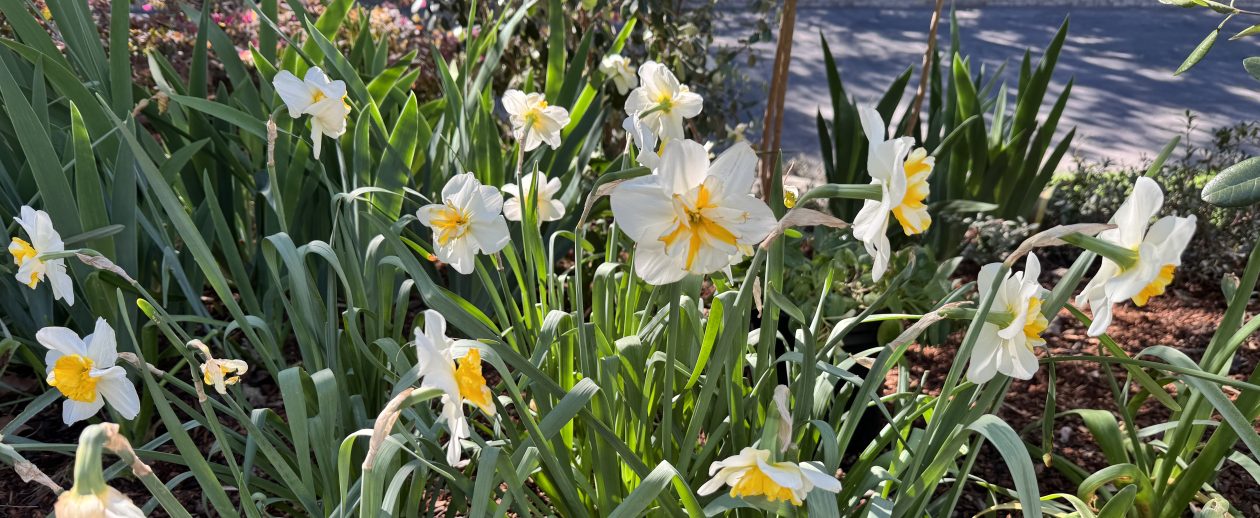

Spring has finally arrived, flowers are blooming, trees have leafed out, grass is green and its looking glorious out in nature! And along with it has come allergy season. If you are like me and love gardening and all the magic of spring but suffer from seasonal allergies – I always wonder ? How do I know if it’s allergies vs a cold or flu?
Understanding the best way to manage seasonal allergies starts with debunking some common misconceptions.
I received a blog recently from One Medical on seasonal allergies that de mystified many common misconceptions that I had about my own allergies. The article was enlightening and informative and I wanted to share their information here with you.
Here are six myths about allergies. and how to cope if you have them
Myth number 1. Seasonal allergies only cause respiratory symptoms. When in fact they cause other symptoms as well
Respiratory symptoms are par for the course if you’re allergic to something in the environment. In response to allergens, our immune system releases a substance called histamine which can cause irritating and uncomfortable symptoms such as a runny nose, sneezing, and coughing.
The truth is , allergies can cause symptoms throughout your body — especially if they’re left untreated.
Along with common respiratory symptoms, seasonal allergies can also cause itching in your mouth, headaches, clogged ears, fatigue, skin rashes and irritability.
For some people, exposure to allergens can result in eye redness and irritation as well.
Allergies may also affect your quality of sleep and you might find yourself feeling extra sleepy or foggy during allergy season.
Myth number 2. Seasonal allergies and food allergies don’t have anything in common
Even if you don’t have any serious food allergies, your diet can still play a role in your seasonal allergies. Some nuts, fruits, and vegetables contain proteins similar to the type of pollen you’re allergic to, which can result in an allergic response including itchy mouth or throat or even swelling in your mouth. This is called oral allergy syndrome, or pollen food allergy syndrome.
Allergies to the following pollen types listed below may be aggravated by eating the corresponding foods:
- Birch: Apricots, cherries, nectarines, carrots, tomatoes, walnuts
- Alder: Apples, cherries, pears, peaches, celery, hazelnuts, almonds
- Grass: Melons, oranges, potatoes, and peanuts
- Ragweed: Bananas, cantaloupe, honeydew melon, cucumbers, zucchini, squash
The best way to prevent annoying seasonal allergy symptoms is to avoid these foods.
Myth number 3. Viruses and allergies have the same symptoms.
Allergies and viral infections may share some symptoms, but they’re two totally different things that stem from different causes.
Allergy symptoms occur when your immune system responds to an allergen. This can cause cold-like symptoms such as a runny nose, sneezing, coughing, and even fatigue.
That said, if you’re infected with a virus, you might experience symptoms that allergies don’t cause. For example, allergies usually result in clear, runny mucus, while a viral respiratory illness can cause thicker, often yellow or green mucus.
And while colds or other infections can cause fevers, aches and pains, and sore throat, it’s uncommon for allergies to produce those symptoms. (I always assumed my allergies cause body ache, fever and sore throat too, now I know that is not the case.)
Finally, allergies are usually more persistent, lasting the entire allergy season, while a cold might only last a week or two.
Myth number 4. You can’t develop allergies as an adult
Even if you’ve never had seasonal allergies in the past, you can develop them anytime you during your lifetime when you come into contact with them.
Adult onset allergies are not uncommon. It’s also possible to have allergies as a kid and not as an adult.
Your immune system ultimately determines what you’ll have an allergic reaction to, and this can change throughout the course of your life.
Some experts believe allergen exposure when your immune system function is reduced such as during pregnancy or illness can trigger new onset of seasonal allergies.
It’s also possible to develop an allergic response to something if you weren’t exposed to it much as a kid – for example, if you moved to an area with a different type of tree pollen.
Myth number 5. Nasal sprays aren’t safe
If you have seasonal allergies, your medical provider may recommend an antihistamine medication, which blocks the effects of the substance causing your allergic response. Another treatment option is nasal spray, which you may have heard is unsafe or even addictive.
Saline nasal sprays, which don’t contain any drugs, work by helping to remove pollen from your mucus membranes. Steroid-based nasal sprays, such as Flonase or Rhinocort, can decrease inflammation in your nasal passages and reduce discomfort associated with allergies.
Nasal sprays that contain decongestants, on the other hand, can be habit-forming and should be used with caution. The blood vessels in your mucus membranes can become dependent on these sprays, leading to congestion whenever you don’t use them.
Myth number 6. Allergies have to affect your quality of life
While it’s true there’s no cure for allergies, you don’t have to suffer from their effects. Avoiding your known allergy triggers can play a big role in decreasing your symptoms.
Keep a log of what you’re allergic to and when your symptoms arise, and do your best not to come into contact with those things. For example, if you’re allergic to tree pollen, keep tabs on when that allergen is high in your area and keep your windows closed during that time.
It may also help to shower before bed if you’ve been outside to avoid transferring pollen into your sleeping environment.
There are plenty of effective treatments for allergies, too, such as nasal sprays and antihistamines.
If your allergies are continually interfering with your everyday life and function, your provider might recommend allergy immunotherapy, a type of therapy that safely and gradually exposes you to the allergen you’re allergic to to help your immune system become less sensitive to it.
Best treatment for seasonal allergies – reach out to your doctor for advice and solutions
Most importantly, if you suffer with allergies and are looking for ways to cope with them contact your primary care doctor for advice and solutions.
If you’re not sure whether you’ve got allergies or you have a cold or flu, check in with your primary care provider.
Whether you’ve had seasonal allergies for years or just now developing symptoms, your primary care provider is the best place to start for diagnosis and treatment.
Source: By Ashley Abramson via One Medical


Thank you for this extremely informative post!🥰 🙏🏽 Fortunately, I do not have such allergies but know a host of friends and family members that suffer from them.
Glad you found it helpful Rose. I definitely get serious allergies in the spring and am always looking for ways to treat them
Thank you for this. I had not known of oral allergy links between pollens and foods.
Same here! I too was not aware of oral allergy link between pollens and foods and they trigger the same allergy symptom. I am now being more aware of what triggers my allergies besides just pollen
This is a really good post Kalpana. There are so many myths floating around out there.
My daughter is allergic to tree fruits, eating them that is, and when they are blossoming, she is in deep distress as well.
Thanks Dorothy, so glad you found it helpful. I learnt some new information as well. I was not familiar with the connection between fruit trees blossoms and the allergic reaction to the actual fruits – one of my twins informed me of this as she too has nut and tree fruit allergies and found out that when those trees are blooming they can trigger allergy symptoms in here.
Yes, especially the eyes!